
Introduction: Welcome to the Future of Entertainment
The world of entertainment is transforming at lightning speed. From streaming platforms fine-tuning their AI algorithms to virtual influencers captivating millions, 2025 is a landmark year for what we’re calling “e: entertainment evolution.” In this blog, we explore the most groundbreaking trends, game-changing technologies, and cultural shifts shaping the entertainment industry today.
Whether you’re a content creator, entertainment business owner, or just a binge-watching fan — this article is your crystal ball. 🎥✨
🎮 Trend #1: AI and Machine Learning Are the New Directors
In 2025, AI isn’t just behind the scenes — it’s on stage, behind the camera, and in the writer’s room. Machine learning is revolutionizing content creation through:
- Scriptwriting algorithms like SudoScript and DeepDialogue that generate realistic plots and dialogue.
- Deepfake actors being used in historical reimaginings and interactive dramas.
- AI-aided casting, matching roles with actors based on data-driven audience appeal.
SEO tip: AI in entertainment, synthetic media, and generative storytelling are key rising search terms to optimize for.
🎧 Trend #2: Virtual Influencers and Digital Humans
Say hello to AI influencers who never age, complain, or miss a deadline. From Lil Miquela to Korea’s Rozy, digital personas now rake in millions in sponsorships. In 2025, we’ve seen:
- Fully virtual movie stars in animated films and AR ads.
- “Meta concerts” led by avatars (some based on real celebs, others purely fictional).
- Voice clones of singers used in multilingual albums.
These digital beings are here to stay, blending creativity with convenience for brands and creators alike.
📺 Trend #3: Hyper-Personalized Streaming and Content
Your streaming platform knows you better than your best friend. In 2025, platforms like Netflix, Prime Video, and even YouTube are offering:
- Scene-level personalization: Two people may watch the same show but see different cuts.
- Interactive endings based on viewer decisions or biometric feedback.
- Micro-niche genres created from real-time audience data.
Focus Keyword: Personalized entertainment experiences
🕶️ Trend #4: AR & VR Go Mainstream — Not Just for Gamers
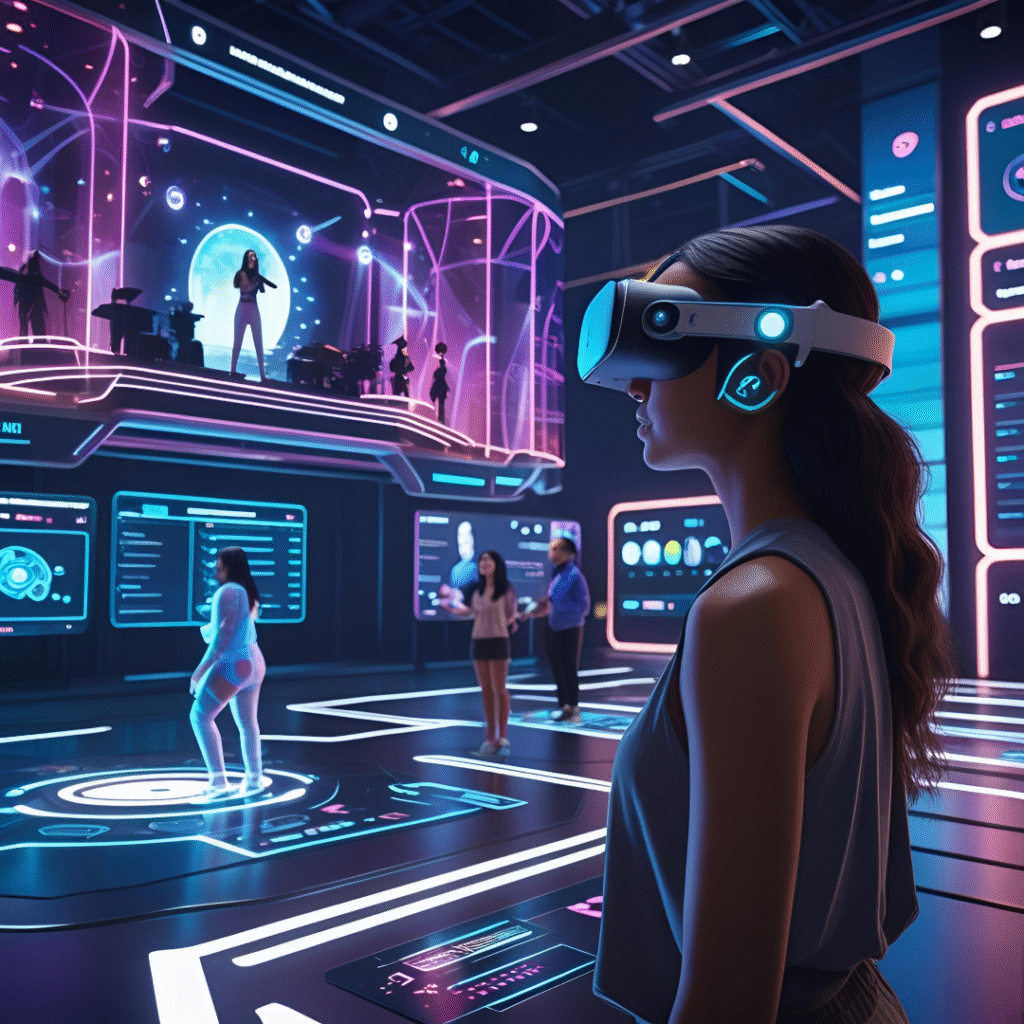
Augmented and virtual reality have finally transcended niche gaming circles. Entertainment in 2025 includes:
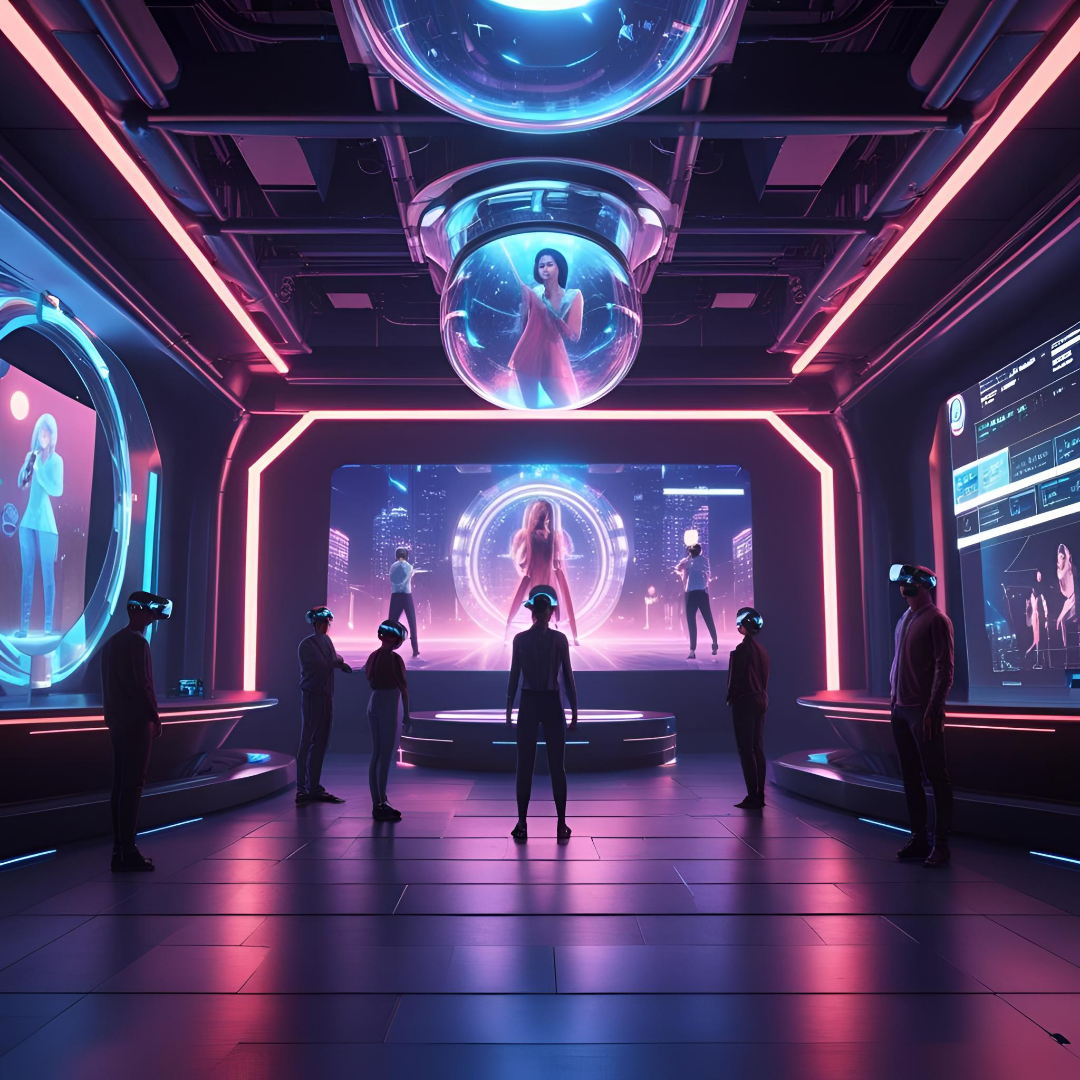
- VR movie theaters in the Metaverse — complete with friends, snacks, and discussions.
- AR-enhanced concerts where virtual elements interact with real performers.
- Immersive storytelling, where viewers are part of the scene, not just the audience.
This blurs the line between viewing and living content.
🪙 Trend #5: Blockchain and NFTs in Entertainment
Web3 technology is shaping how rights and royalties are managed:
- NFT-backed movie scenes allow superfans to “own” iconic clips.
- Smart contracts ensure transparent royalty distribution.
- Creators are forming decentralized film collectives, bypassing studios entirely.
Though speculative, these models give power back to creators in exciting ways.
🎭 Trend #6: Mental Health and Inclusivity Take Center Stage
Entertainment in 2025 isn’t just about wow-factor — it’s about well-being and representation. We’re seeing:
- More diverse casting and crew, supported by inclusive hiring policies.
- Content warnings and mental health check-ins for sensitive material.
- Dramas and comedies that normalize neurodiversity, LGBTQ+ lives, and cultural narratives.
This shift reflects a more conscious audience and industry alike.
📱 Trend #7: Short-Form Content & Vertical Cinematography
Thanks to TikTok, Instagram Reels, and YouTube Shorts, vertical video is no longer just for amateurs. Even Hollywood has jumped in:
- Trailers are made in 9:16 first, widescreen second.
- Celebrities release “micro-series” for mobile platforms.
- Flash fiction films under 90 seconds are festival-worthy.
With a dwindling attention span, short-form video is not a shortcut — it’s an art.
🔮 What’s Next? The Rise of Emotion-Driven Entertainment
Looking ahead, we predict the boom of emotion AI — systems that adjust storylines based on your facial expressions, voice tone, or heart rate. Imagine watching a horror film that gets scarier when you’re not scared enough.
Emotionally adaptive content will redefine what “entertaining” even means.
Disclaimer:
This blog is intended for informational and educational purposes only. The views expressed are personal opinions or general insights, not professional or legal advice. Readers should do their own research or consult relevant professionals before taking action based on this content.
#EntertainmentTrends #2025Vision #FutureOfMedia #AIinEntertainment #VirtualInfluencers #PersonalizedStreaming #ARVRExperiences #MetaverseEvents #ShortFormContent #ImmersiveStorytelling #DigitalHumans #NFTsInMedia #EmotionAI #InclusiveEntertainment #EntertainmentTech
Leave a Reply