
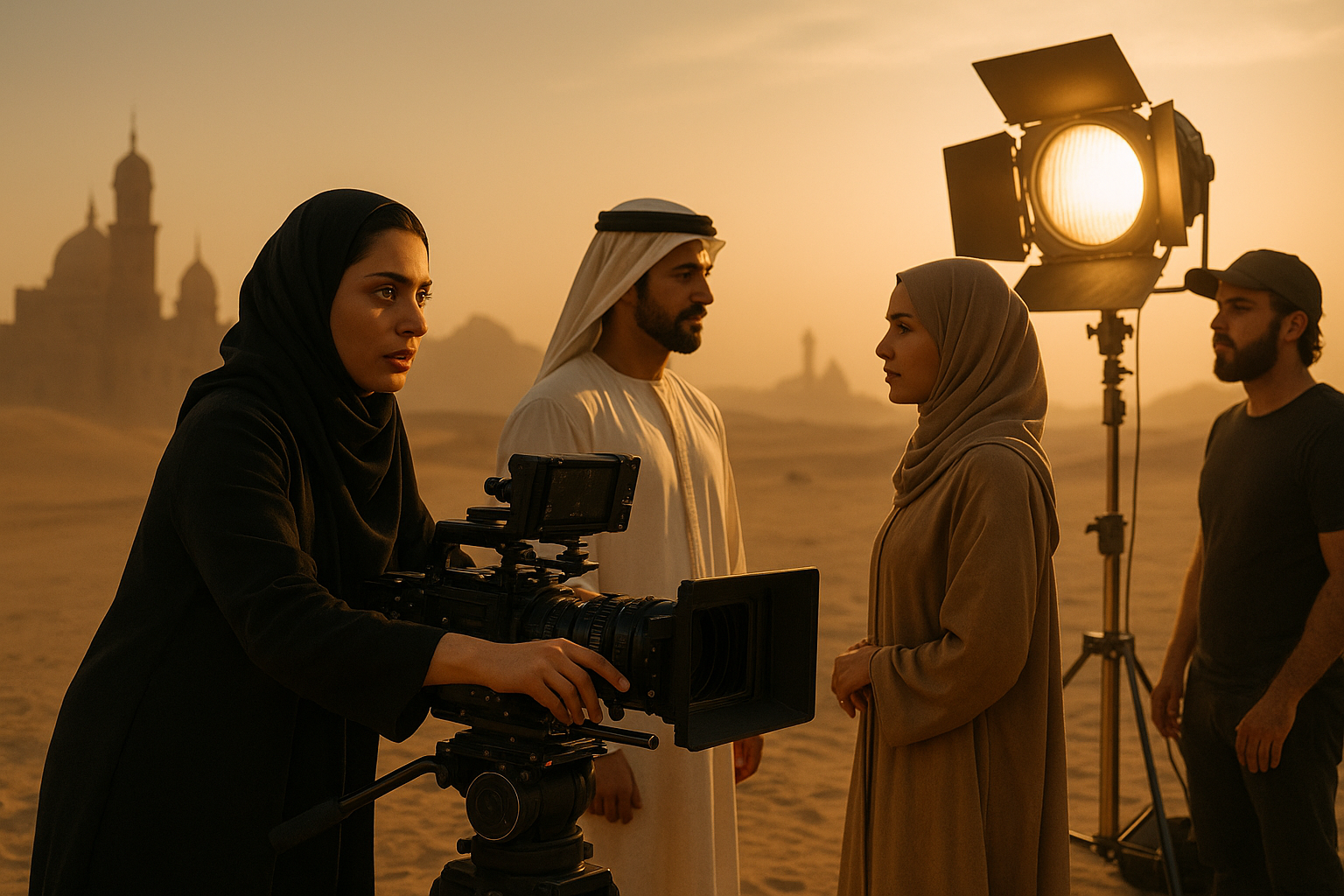
Arab cinema is finally claiming its spotlight in 2025 — here’s how it’s shaping the global film narrative. 🎥✨
🌍 Introduction: A New Dawn for Arab Cinema
The Arab film industry is experiencing a renaissance in 2025. What was once considered a relatively silent player in the global cinematic landscape is now stepping boldly into the spotlight. With groundbreaking narratives, bold political themes, and globally resonant storytelling, Arab films are making waves in international film festivals, streaming platforms, and theatrical releases.
This shift isn’t just a trend — it’s a cultural movement.
Breaking Stereotypes Through Authentic Storytelling
Arab filmmakers are now rewriting their own stories — and the world is listening. Gone are the days when Arab characters were only seen through stereotypical lenses in Western cinema. Today, directors from Saudi Arabia, Egypt, Lebanon, Palestine, Morocco, and the UAE are crafting nuanced stories rooted in local realities but carrying universal emotions.
Real Stories, Real People
2025’s top Arab films delve into:
- Post-war identity and resilience (e.g. Lebanon’s “Shadows in the Wind”)
- Women reclaiming their voice (e.g. Egypt’s feminist hit “The Veil Between Us”)
- LGBTQ+ narratives in conservative spaces
- Political satire and commentary on governance
These stories are raw, bold, and unapologetically local, which paradoxically is what gives them global appeal.
Global Recognition – From Cannes to Netflix
Arab films aren’t just being made — they’re being celebrated. In 2025, several Arab films have received:
- Golden Lion nominations at Venice Film Festival
- Streaming deals with Netflix, Amazon Prime, and Mubi
- Academy Award shortlists in Best International Feature Film
This global traction is largely due to:
- High production values
- International co-productions
- Diaspora-led marketing strategies
Streaming Services Fueling the Boom
Platforms like Shahid, Netflix MENA, and OSN+ have significantly increased their investment in original Arab content. According to a recent study, streaming consumption of Arab films grew by 68% YoY in 2025, driven by:
- Youth demand for regional stories
- Digital accessibility
- Cross-border viewership (especially in Europe and North America)
The Rise of Female and Independent Filmmakers
2025 marks a significant turning point for female filmmakers in the Arab world. Directors like Haifaa Al-Mansour (Saudi Arabia), Nadine Labaki (Lebanon), and Sofia Alaoui (Morocco) are not only breaking glass ceilings but reshaping cinematic norms.
Women Behind the Camera
- 50% of entries at the Cairo International Film Festival this year were directed by women
- Themes include women’s rights, reproductive freedom, and intergenerational trauma
- Grassroots funding via crowdfunding and diaspora-led grants have empowered independent voices
This gender shift is giving Arab cinema a fresh, powerful, and empathetic lens.
Innovation in Visual Storytelling
Arab filmmakers are experimenting with genre cinema in bold new ways:
- Sci-fi in the dunes: Films like “The Oasis Protocol” (UAE) explore climate futures through sci-fi.
- Fantasy with folklore: “Djinn’s Daughter” (Morocco) mixes horror with local mythology.
- Neo-noir thrillers: Cairo’s gritty underworld comes alive in “Black Nile.”
Technological advances in VFX, VR storytelling, and drone cinematography are helping Arab creatives rival Hollywood on a fraction of the budget.
Cultural Diplomacy Through Cinema
Governments in the region are now recognizing the soft power of cinema:
- Saudi Arabia’s Red Sea Film Festival is a major launchpad for Arab and international films
- Qatar and the UAE are investing heavily in film schools and cultural exchange programs
- Tunisia and Palestine are leading voices in indie circuit and activist filmmaking
Cinema has become a medium for cultural diplomacy, challenging perceptions and bridging narratives across borders.
Challenges Remain — But So Does Hope
While the growth is exhilarating, Arab filmmakers still face:
- Censorship pressures
- Limited domestic distribution
- Funding bottlenecks
However, 2025 also sees grassroots film collectives, festival labs, and diaspora-led funding initiatives rising to meet these gaps. The passion is unrelenting, and so is the audience’s hunger for real, unfiltered stories.
📌 Final Thoughts: A Cinematic Revolution in Motion
From silence to spotlight, Arab cinema in 2025 is more than a creative resurgence — it’s a revolution. As audiences worldwide embrace this new cinematic wave, Arab filmmakers are standing tall, not as cultural curiosities, but as storytellers with power, purpose, and pride.
If you’re not watching Arab films in 2025, you’re missing out on some of the most compelling cinema of the decade.
Disclaimer:
This blog is intended for informational and educational purposes only. The views expressed are personal opinions or general insights, not professional or legal advice. Readers should do their own research or consult relevant professionals before taking action based on this content.
#ArabCinema2025 #MiddleEasternMovies #ArabFilmRevolution #FemaleArabDirectors #ArabMoviesNetflix #GlobalArabCinema #RedSeaFilmFestival #ArabStorytelling #ArabFilmsToWatch #ArabIndieCinema #SpotlightOnArabCinema #MENAContent #StreamingArabFilms #ArabDirectors2025 #CinemaWithoutBorders#Carrerbook#anslation
Leave a Reply